A driver opens a 42-page event pack on their phone at 05:20 in the morning, in a car park, in the rain. They need one thing: the address of the hotel and the pickup time. That information is on page 27, in a table that renders as a stripe of grey on a phone screen. The driver scrolls. The car is late.
Every event professional has watched a version of this scene. Nobody set out to design it. But it is the default outcome of a coordination system built around a single artefact, sent to everyone, in the same shape.
The universal PDF is a compromise everyone loses
A single all-in-one event pack is a compromise. It compromises the driver, who wanted an address. It compromises the artist, who wanted a warm-up window. It compromises the venue, who wanted a load-in slot. It compromises security, who wanted an access plan. Every stakeholder receives 42 pages of someone else's information wrapped around the two pages they actually need.
The result is not a well-informed team. It is a tired team, because reading is expensive and 40 pages of irrelevant information is 40 pages of cognitive tax.
What each team actually needs
Breaking the same event by role reveals how different the information needs really are.
The artist
- Doors, soundcheck, changeover, set time, curfew.
- Dressing room location, warm-up space, catering window.
- Interview obligations, meet-and-greet timing.
- Nothing about security perimeters. Nothing about vendor invoices.
The tour manager
- The artist's full day, plus arrival and departure logistics.
- Contact tree — production, venue, promoter, hospitality, security.
- Financial checkpoints — settlement time, per-diem drop, guest list caps.
- Escalation contacts for the specific festival.
The driver
- Pickup times, addresses, plate numbers, contact for each pickup.
- Route options for weather or road-closure scenarios.
- Loading and waiting zones, entry passes.
- Absolutely nothing about setlist or dressing rooms.
The production team
- Load-in windows, stage plots, patch lists.
- Change-over times, technical contacts.
- Backline delivery, power distribution, comms structure.
- Not the artist's meal preferences.
The venue
- Full-day timing, crowd curves, security handoff points.
- Which entrances open when, capacity thresholds, medical stations.
- Delivery access, waste handling, noise curfews.
Security
- Personnel positions, radio channels, escalation ladder.
- VIP paths, restricted areas, incident response protocols.
- Access credential design and check points.
Six roles. Six almost non-overlapping sets of critical information. One PDF trying to hold all of it.
When you send the same document to everyone, you are not sharing information. You are sharing paperwork.
The safety argument
Role-based information is not only an efficiency question. It is a safety question.
Security personnel who have to scan a 42-page pack for their two paragraphs are more likely to miss a critical detail. A driver hunting through a schedule for a pickup address is more likely to be late, which cascades into more chaotic transfers. A stagehand who cannot easily find their load-in window makes the whole change-over slip.
Role-based itineraries are, functionally, a safety improvement. They reduce the cognitive load on people who need to act quickly with correct information.
Why the industry defaults to one PDF anyway
Three reasons keep the universal-pack pattern alive.
It is easy to produce. One document is faster to write than seven role-specific views. Coordinators default to one because they are already exhausted.
It feels equitable. "Everyone gets the same information" sounds fair. In practice, it means everyone gets the same amount of information — most of which they cannot use.
It creates the illusion of oversight. A senior organiser can point at the pack and say, "It is all in there." Whether anyone can find their part is a separate question, which the pack does not answer.
What good role-based coordination looks like
The events we have watched adopt role-based coordination share a few defining traits.
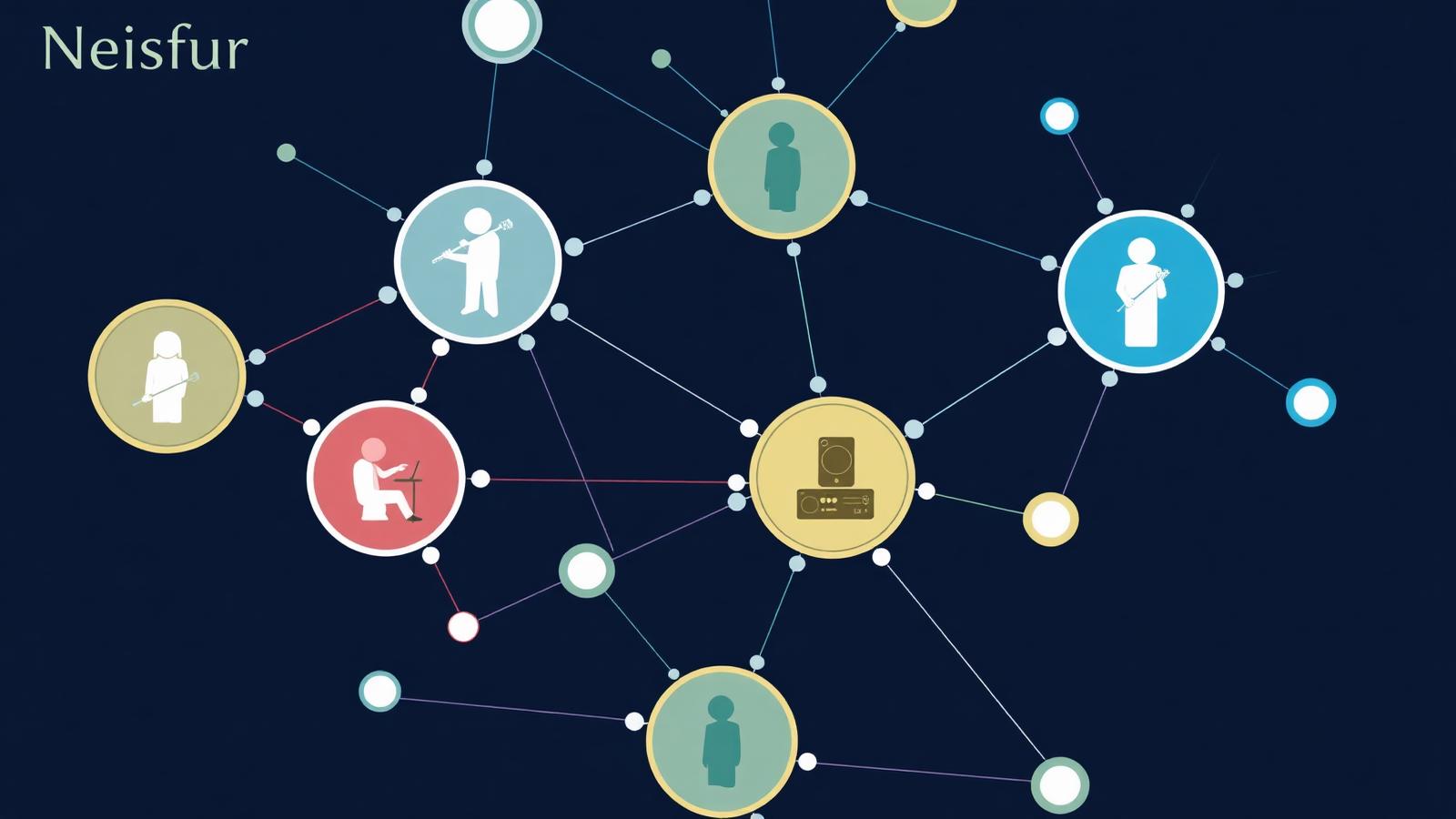
- A single source, many views. All information lives in one place, but each stakeholder sees a filtered projection built for them.
- Clear ownership of every field. No orphan lines. Every fact has a person accountable for its accuracy.
- Cross-role handoff points. When information crosses from production to security, or from hospitality to venue, the handoff is explicit and time-stamped.
- Personal itineraries for artists and touring staff. The artist opens their day. The tour manager opens the artist's day, plus the coordination layer. The driver opens the transport layer only.
- A shared timeline underneath. The projections may differ, but the underlying show clock is the same. Nobody is operating on a private timeline.
Practical recommendations
- Map your event by role. List every stakeholder type and the five to ten things they actually need.
- Build views, not variants. Do not produce seven PDFs. Publish one live source and let each stakeholder access their own view.
- Kill decorative information. If a stakeholder does not need it to act, do not send it to them. Decorative information is not helpful — it is noise dressed as care.
- Test the view. Ask an artist, a driver and a security lead to describe the event's next hour from their view. If any of them hesitates, the view is wrong.
The audience impact
There is one more team we have not named: the audience. When artist transfers run on time, when venues load in cleanly, when security knows the exact position of every crowd choke point, the audience feels a calmer event. They will not know why. They will know the difference.
Role-based coordination is invisible to attendees, but it is deeply felt by them.
Where Startion fits
Startion's Eventiner workflow app is built around the idea that information belongs to a role, not a document. Every team — artists, tour managers, drivers, production, venue, hospitality, security — logs in and sees the event through their own lens: filtered to their responsibilities, real-time, with change history and clear handoff points to the roles adjacent to theirs.
The 42-page PDF is not banned. It is simply no longer necessary. And when it stops being necessary, everyone — driver, artist, venue, and audience — feels the difference.
Information should serve people. Not the other way around.