By hour eighteen of any large festival, the printed running order has stopped describing the festival. It describes a plausible earlier version. Somewhere between an artist's delayed connection in Zurich, a monitor engineer's flu, a thunderstorm rerouting the main stage, and a headliner asking for an extra fifteen minutes, the document has quietly drifted into fiction.
Every experienced festival operator knows this. Most of them still print the PDF.
The timetable as artefact
The festival timetable has a strange dual life. On the outside — the audience-facing app, the printed programme, the wristband insert — it is a marketing artefact, meant to signal certainty. On the inside — the ops radios, the production office whiteboard, the tour manager's Notes app — it is a live organism that mutates every few hours.
The industry has kept these two lives artificially separate. External timetables project confidence. Internal timetables absorb chaos. The gap between them is where mistakes live.
Why timetables mutate
Festival schedules are unstable for structural reasons, not organisational ones. Five forces push them out of alignment continuously.
1. Travel
Flights, trains and drives are the least controllable variable in any festival. A single missed connection in a hub airport can cascade across four artist camps within an hour. Nobody's calendar knows this until the phone rings.
2. Weather
Outdoor festivals are, functionally, weather-driven productions with a soundtrack. Wind above threshold, rain intensity, lightning within radius — each of these can move an entire stage's timing. And weather does not consult the printed programme.
3. Production readiness
A changeover that was supposed to take 45 minutes takes 62 because the drum riser rolled at the wrong angle. That 17 minutes lives inside every subsequent set for the rest of the day.
4. Artist adjustment
An artist decides — sometimes eight hours before doors, sometimes eight minutes — that the setlist needs to be longer or shorter. A tour manager negotiates. A festival co-ordinator adapts.
5. Human logistics
Crews get tired. Volunteers rotate. Radios die. The system was never friction-free; it was only friction-tolerant.
A festival schedule is not a plan. It is a running negotiation between what was hoped and what is happening.
Why static schedules fail
Most festivals still coordinate internally through static artefacts: PDF running orders, printed spreadsheets, laminated pocket cards. These artefacts fail in three specific ways.
They lie by default. The moment a change is made, the PDF becomes wrong. Not misleading — actually wrong. Nobody updates every copy in every pocket.
They lose provenance. If two cards contradict each other, whose is current? Without timestamps and owners, ties go to whoever speaks loudest.
They break trust. Once a runner has been sent to the wrong stage twice, they stop trusting the schedule and start trusting rumours. Rumours are faster. Rumours are also wrong.
The teams that adapt best
Having observed festival operations across Europe, the teams that handle timetable drift best share a few habits.
- They treat the schedule as a live view, not a distributed document. Everybody looks at the same screen, not the same printout.
- They have explicit roles for change ownership. Only certain people can move a set; everyone else proposes.
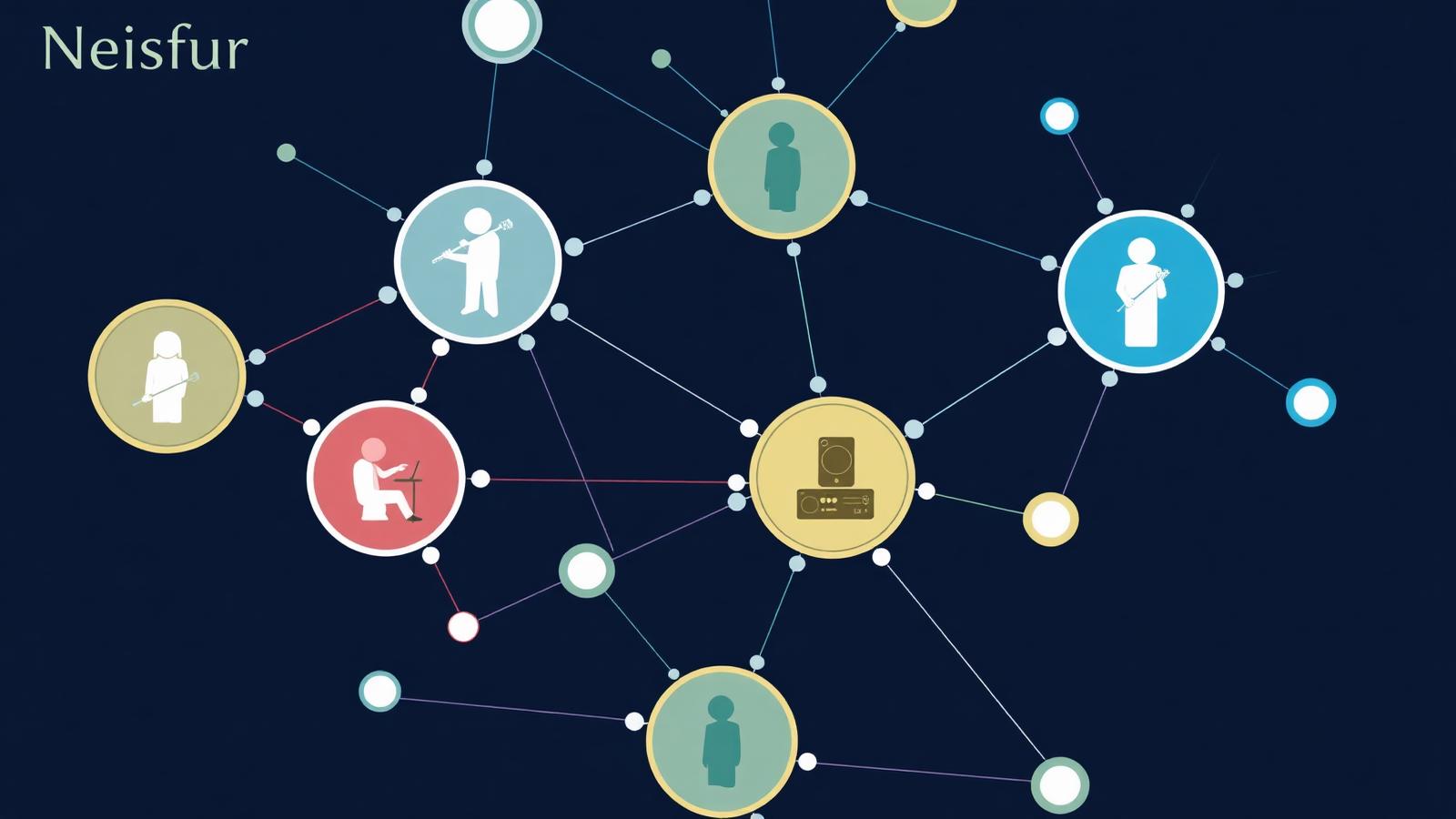
- They separate the public timetable from the operational timetable, and route changes deliberately between them.
- They keep a five-minute rhythm on updates during load-in and doors, and a fifteen-minute rhythm during the show day.
- They log every change with a reason. "Moved from 18:15 to 18:35 — artist arrival delay." That reason becomes institutional memory for next year.
These are not exotic practices. They are the operational equivalent of good hygiene.
The audience-facing question
A fair question: if the internal timetable is always shifting, what should the audience see?
The honest answer is that audiences have become far more tolerant of last-minute changes than the industry believes — if they are informed. A festival that pushes a real-time update to its app when a set shifts by 25 minutes earns more trust than one that pretends the shift never happened. The problem is not the change. The problem is the silence around it.
The festivals winning the audience-experience race are the ones that made the internal live timetable legible to attendees, in a version filtered for their purposes.
Practical recommendations
For festival organisers, four moves have outsized impact.
- Adopt a live internal timetable that every team edits from. Radios and pockets can print snapshots; the source is one screen.
- Define who can change what. A stage manager can shift within their stage. A production director can shift across stages. Anyone can propose.
- Publish externally at controlled cadence. Every 30 minutes during the day, immediately after major shifts. Silence is worse than accuracy.
- Debrief the drift. After the festival, look at every change: how many were preventable, how many were pure external chaos. Next year's plan improves accordingly.
The future of festival scheduling
Within the next five years, most serious festivals will operate on live schedules by default. Printed running orders will exist for nostalgia and archive, not for operations. Attendee apps will show real-time timing, not a Wednesday-morning fiction. Weather feeds, artist arrival feeds, stage-timing feeds and hospitality feeds will inform the same live view.
Festivals that get there first will feel calmer, run leaner and earn deeper loyalty from artists, agents and audiences.
Where Startion fits
Startion's Eventiner workflow app was designed around exactly this reality. It replaces the static PDF with a live festival timetable that stage managers, tour managers, production directors and hospitality teams all edit from — with change history, ownership and controlled external publishing, so the audience-facing version reflects the actual show without exposing every internal negotiation.
Festival timetables were never meant to be printed truths. They were always live systems pretending to be documents. Eventiner lets them stop pretending.